When people think about working with an interior designer, they often picture the creative side of the process. Selecting beautiful furniture, choosing fabrics, finding the right lighting, and bringing together pieces that make a home feel personal. And while I love that part of what we do, there's another side of interior design that doesn't always get the same attention.
It's everything that happens after those selections have been made.
At Bex Collective, purchasing furniture and furnishings is much more involved than placing an order and waiting for delivery. There are detailed specifications to confirm, manufacturers to coordinate with, freight schedules to manage, and dozens of decisions that happen before a single piece makes its way into your home. When we tell our clients, "We'll handle it," we're talking about an entire process designed to protect their investment, preserve the design we've created together, and make the experience as seamless as possible.
The Work Begins Long Before We Place an Order
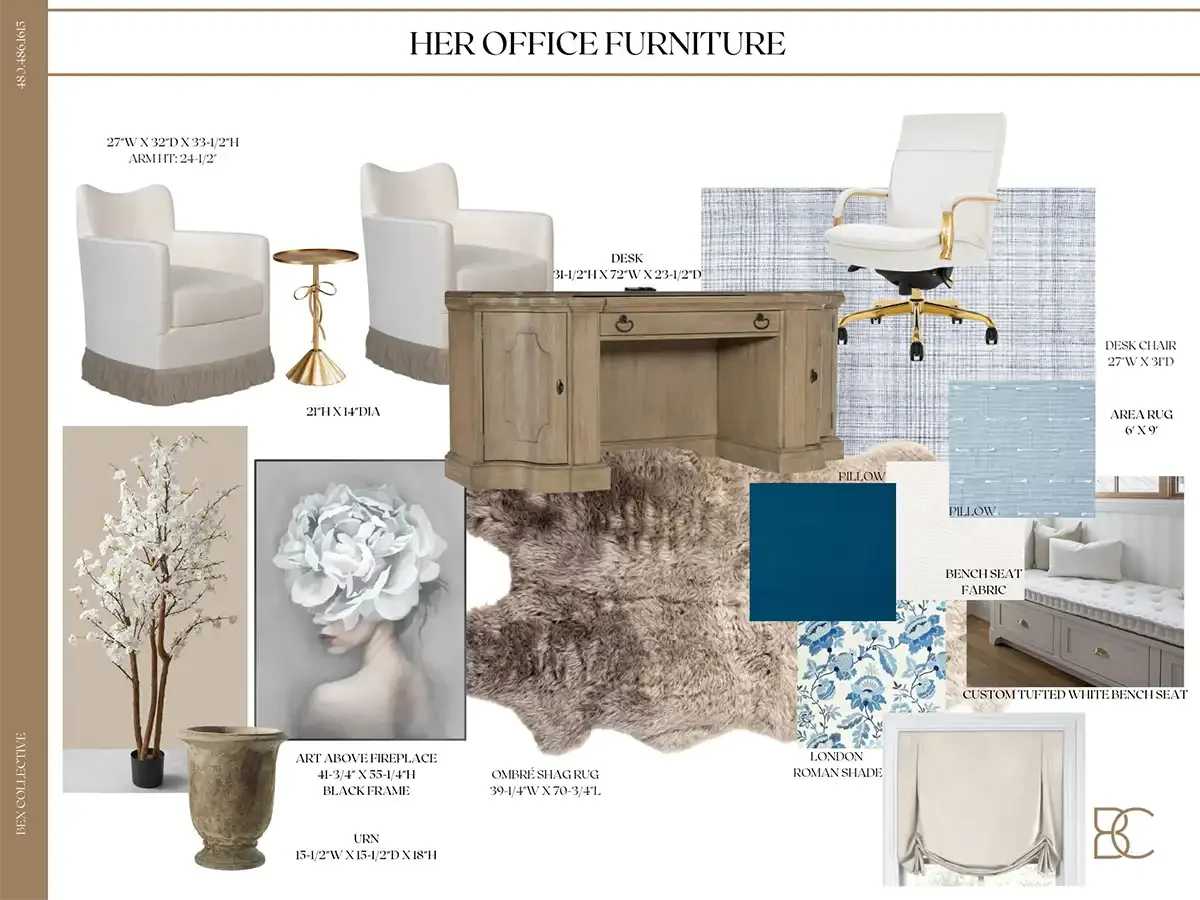
Once our clients approve their furniture and furnishing selections, we begin organizing everything into a detailed selection sheet. This isn't simply a list of products we like. Every item is documented with its specifications, including the manufacturer, SKU number, dimensions, fabric information, product links, and anticipated lead times.
Those selections are then translated into detailed estimates with finalized pricing. For many custom furnishings, we can't confirm the final cost until we've spoken directly with our suppliers. We may need custom quotes, updated availability, and freight pricing before we can present an accurate estimate. It's an important part of the process because I want our clients to understand what they're approving before we move forward.
Once those estimates are approved, we begin coordinating the orders. And this is where timing becomes just as important as the selections themselves.
Why We Don't Order Everything at Once
One thing homeowners may not realize is that different furnishings can have dramatically different lead times. A custom sofa might take months to manufacture, while another piece could be available much sooner. If everything is ordered at the same time, some items may arrive long before we're ready to install them. Those early arrivals have to go somewhere, and professional storage comes with a cost.
We plan our purchasing schedule around these timelines, ordering long-lead items first and spacing out other orders when possible. The goal is to have everything ready when we need it without creating unnecessary storage expenses along the way. It's a detail that might seem small, but across an entire home with multiple rooms, custom furnishings, artwork, and accessories, those decisions can make a meaningful difference.
Good purchasing isn't just about getting the right pieces. It's about getting them at the right time.
What Happens When Your Furniture Arrives?
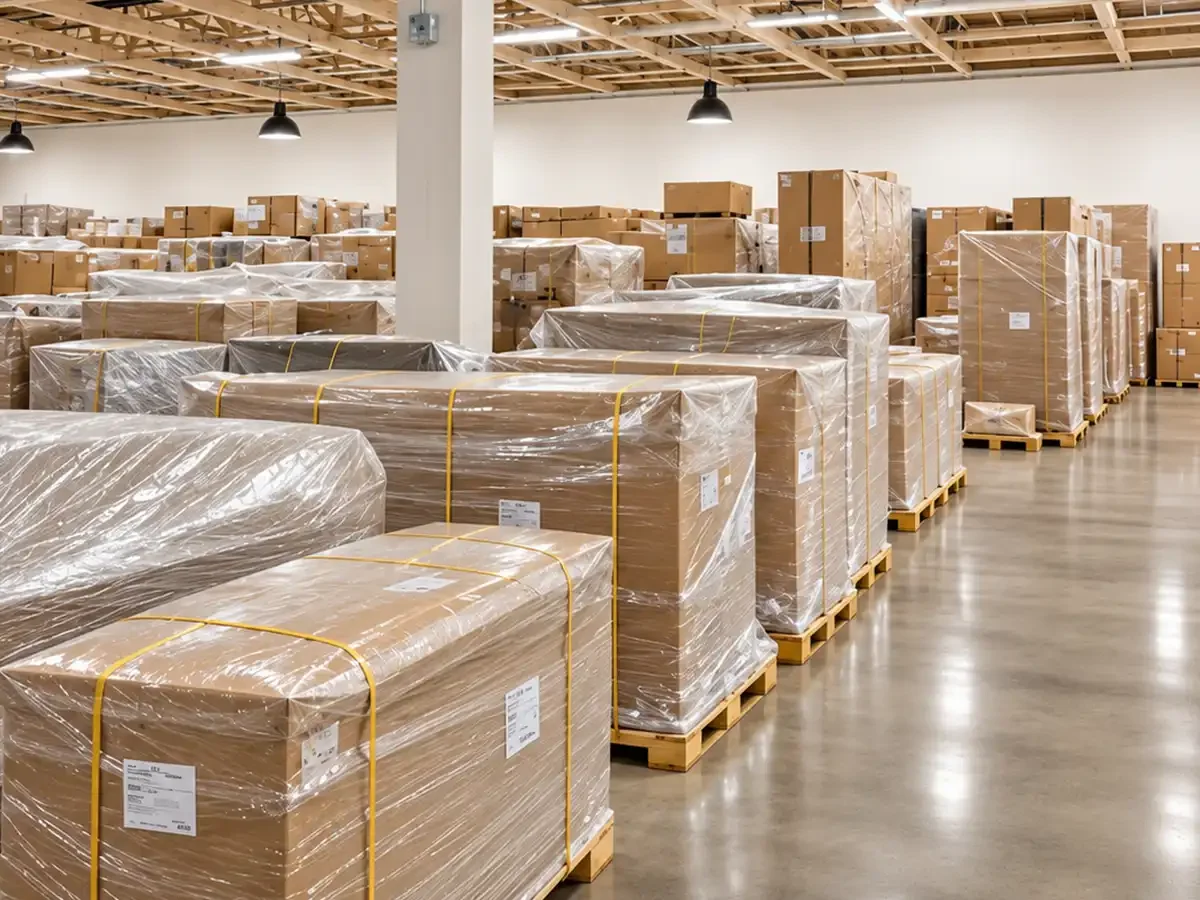
Here's something that surprises many homeowners: Most of the furnishings we purchase don't go directly to their homes. Instead, they're delivered to a professional receiving warehouse. When an item arrives, the receiving team opens it, inspects it, and documents its condition. The details are uploaded into an online portal, often with photographs and notes that allow us to review exactly what has arrived.
We can verify that the correct item was delivered, confirm the quantity, and check for damage or missing details. And believe me, those inspections matter.
Furniture doesn't always arrive in perfect condition. Sometimes pieces are damaged in transit. Sometimes the wrong quantity arrives. Occasionally, a manufacturer ships something that doesn't match the approved specifications. When those things happen, we work with the appropriate suppliers and receiving team to resolve them before installation. Ideally, our clients never have to deal with those complications.
That's part of the experience we're trying to create. Not because problems never happen, but because we've built a process to catch and address them before they become the homeowner's problem.
The Accent Chairs That Almost Changed an Installation
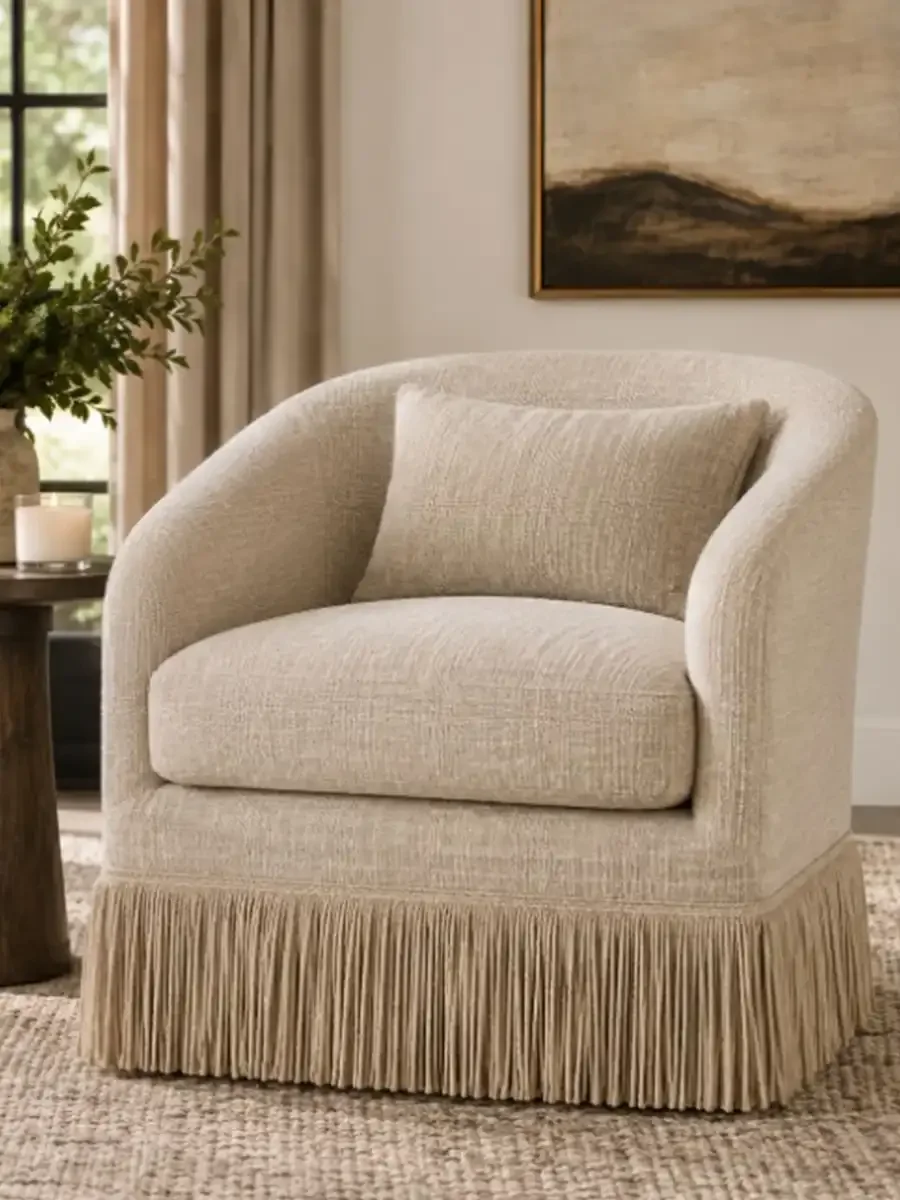
I can give you a real example of why this matters so much. We once ordered two accent chairs with a beautiful fringe detail along the bottom. That fringe was part of the design, and it was one of the details that made those particular chairs the right choice for the space. When the chairs arrived at our receiving warehouse, the team photographed them and uploaded the images into our portal.
That's when we discovered the fringe was missing.
Imagine if those chairs had stayed boxed up for six months and nobody noticed until installation day. Our clients would have been expecting to see their completed room, only to discover that two important pieces weren't what we had selected. Correcting the issue could have meant waiting another four months for replacement chairs.
Instead, the warehouse documentation allowed us to identify the problem well before the installation. This is exactly why I believe receiving and inspection are such important parts of designer-managed purchasing.
The difference between discovering a problem when an item arrives and discovering it in a client's living room can be months of frustration. And it's not just about protecting the schedule. It's about protecting that moment when our clients finally get to see their home come together.
Why Purchasing Independently Can Complicate the Process
I understand why a homeowner might look at a furniture selection and think, "Couldn't I just order that myself?. On the surface, purchasing furniture can seem straightforward. You find the item, pay for it, and arrange delivery. But there's much more involved when you're furnishing a home as part of a complete design.
We spend countless hours researching and curating furniture, artwork, and accessories. We establish relationships with manufacturers and trade-only suppliers, and we attend furniture markets to experience the products firsthand. I want to sit in the chairs and sofas we're recommending. I want to see the finishes, understand the construction, and discover what's coming into the market. Those experiences help us make more informed recommendations for our clients. They're also part of the professional expertise behind the selections we present.
For that reason, our agreements establish clear purchasing responsibilities. When we've sourced and specified an item as part of the design, purchasing is managed through our team unless we've made another arrangement. If a homeowner chooses to supply an item independently, they're responsible for coordinating its shipping, addressing damage, and arranging installation. We don't manage those pieces because we can't take responsibility for a purchasing process we don't control.
This isn't about making the process more complicated. It's about keeping responsibilities clear and making sure every part of the project has the coordination and oversight it needs.
Purchasing Protects More Than the Furniture
One of the reasons I'm so particular about this process is that furnishings are what bring a design to life. Construction materials are incredibly important. Tile, cabinetry, countertops, and architectural details create the foundation of a beautiful home. But furnishings add the warmth, comfort, personality, and layers that make those spaces feel complete. A room can have gorgeous finishes and still feel unfinished without the right furniture, lighting, artwork, and accessories.
When we develop a design, we're thinking about how those elements work together. The scale of a sofa, the fabric on an accent chair, the proportions of a coffee table, and the way artwork relates to everything around it are all part of a larger vision. If pieces are changed or substituted independently, that balance can shift. Managing purchasing allows us to follow those selections through the entire process, from the original design to the final placement.
For me, it's not simply about getting furniture into a house. It's about helping that house feel like a home.
Installation Day Starts Weeks Before Anyone Arrives
Installation is one of my favorite parts of the process because it's when everything we've been working toward finally comes together. But a successful installation doesn't happen by accident. At least two weeks before installation, we coordinate with our receiving warehouse and create what's called a pull list. This identifies the specific items that need to be loaded onto the delivery truck for the project.
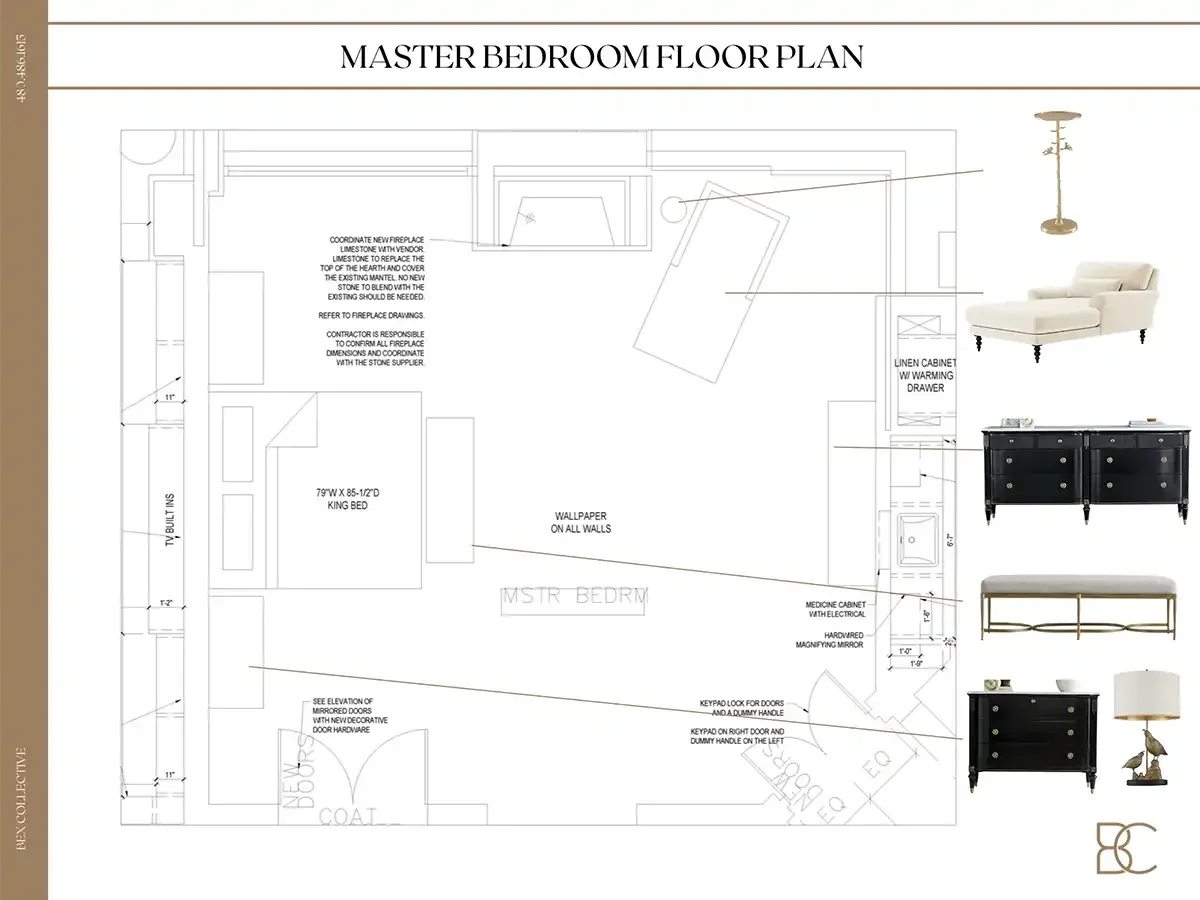
We also confirm whether specialized installers are needed, particularly for artwork. Inside the home, we prepare floor plans for each room, complete with images of the furniture that belongs in that space. We print those plans and place them outside the rooms so the white-glove delivery team can clearly see where everything needs to go.
It's a simple organizational step, but it makes a big difference when multiple people are moving furniture and installing pieces throughout a home. We also communicate expectations in advance. Our homeowners receive an installation agreement outlining the schedule and what we need from them to help the day run smoothly. Our white-glove delivery team signs an agreement as well, so everyone understands the expectations.
On installation day, we have our project coordinator onsite directing the team and making sure each piece goes where it belongs. At the same time, we're unpacking accessories, arranging the finishing touches, and bringing all of the smaller details together. There's a lot happening at once, and it takes an entire team to make it work.
The Experience Should Feel Easier Than the Work Behind It
I think one of the biggest misconceptions about full-service interior design is that the work is mostly about making selections. The selections are important, of course. But getting from a beautiful design plan to a finished home involves so many people and moving parts. Manufacturers, suppliers, freight companies, receiving teams, warehouse staff, delivery professionals, installers, and our own team all play a role. There are long hours, unexpected challenges, and countless details to manage.
Sometimes an order needs to be tracked down because the supplier says everything shipped, but the receiving warehouse has a different count. That can mean having the team pull items again, reopen boxes, and verify what actually arrived. It's time-consuming work, but it's much better to resolve those questions before installation than to discover something is missing when the truck arrives at the house.
Our clients shouldn't have to spend their time chasing shipments, inspecting boxes, documenting damage, or trying to coordinate multiple vendors. That's what we're here to manage. And when we do it well, the client gets to focus on the part they've been looking forward to: enjoying their home.
From Design Selections to a Home That Feels Complete

When I think about the value of designer-managed purchasing, I don't think about it as an additional service layered onto interior design. I think of it as an essential part of delivering the design itself. We can spend months carefully selecting the right furnishings for a home, but those selections only become meaningful when they arrive correctly, are installed thoughtfully, and work together the way we intended.
That's why we put so much care into the details that happen behind the scenes. I want our clients to feel confident that someone is looking after their project, anticipating potential problems, and managing the many steps between approval and installation. Most importantly, I want them to walk into their finished space and feel that everything belongs.
Because a beautifully designed home isn't just about the individual pieces we choose. It's about the way those pieces come together to create a place that feels warm, inviting, and truly yours.
If you're considering a furnishing project or a more comprehensive home design, I'd love to learn what you're envisioning. Through our Full Service Interior Design and Furnishings & Styling services, we help guide the process from thoughtful selections through purchasing, coordination, and installation.